
Over the past few years, the integration of foreign workers has become one of the key issues for many European employers, making it increasingly important to consider how employees can be meaningfully included in the workplace.
We spoke with Ana Josipović, HR Director at METRO Cash & Carry, about what integrating foreign workers looks like in practice, the biggest obstacles in the onboarding process, and why the company sees integration not as a purely HR matter but as a shared responsibility of the entire team.
At METRO, we quickly realised that effective integration is impossible without clear and accessible communication. That is why we introduced bilingual communication as a standard rather than an exception. Key information, instructions, and internal communication are available in both Croatian and English, ensuring that all employees understand expectations and can work safely and independently.
In practice, this means using simple language, clear messaging, and adapting communication to the needs of different teams. We place particular emphasis on translating and tailoring essential work materials, procedures, and visual instructions used in day-to-day operations, so employees can understand not only general information but also specific operational tasks. We do not expect people to “figure things out” on their own; we want them to have all the information they need to succeed in their roles.
Ultimately, the biggest difference comes from day-to-day collaboration within teams. When colleagues support one another, and there is openness within the workplace, communication becomes significantly easier, regardless of language barriers.
Employee satisfaction surveys are one of our key tools for understanding how people truly experience working at METRO. They provide valuable insights into whether international employees feel accepted, understand internal processes, and share the same sense of belonging as their colleagues.
What matters most to us is that these results do not remain just one more report. We use them as a concrete basis for improvement, whether in communication, onboarding, or everyday team collaboration. Ultimately, the surveys give us a realistic picture of what employees are actually experiencing, rather than what we assume is happening.
The integration process for international employees begins even before their arrival, but the first few months on the job are especially important. Before joining, employees are given access to an online Croatian course focused on basic terms used in everyday work. In addition, key work materials, procedures, and visual instructions are translated and adapted, ensuring that employees have a clear understanding from day one of what is expected and how their tasks should be done. The focus is placed on practical aspects of the role, like understanding workflows, safety procedures, ways of working, and daily responsibilities. Team colleagues also play a significant role in helping new employees settle in and become part of the team as quickly as possible. At the same time, we support employees in learning the language and navigating the broader environment, because we know integration goes beyond work itself, as it is also about creating a sense of security, understanding, and belonging.
When people receive clear guidance, support, and a sense of acceptance during their first weeks, the entire integration process becomes much smoother in the long run.
We launched the “Together in Diversity” programme to strengthen the understanding and collaboration among colleagues. The programme evolved gradually, with a strong focus on helping employees get to know each other and better understand different cultural backgrounds. Through workshops and open conversations, employees have the opportunity to connect beyond day-to-day work by learning more about each other’s cultures, habits, and communication styles. We worked simultaneously with both Croatian and international colleagues, which proved to be particularly important in building mutual understanding.
The impact has proven to be very positive. Employees approach collaboration feeling more prepared and informed, and misunderstandings have become far less common. The greatest value of the programme can be seen in everyday teamwork: greater openness, less of an “us versus them” mentality, and much smoother collaboration across teams.
The integration of international employees does not depend solely on rules and procedures; it depends on the people they work with every day. Employees play a major role through openness, willingness to help, and the way they welcome new colleagues. That is often the first thing a new employee notices when joining a team.
At the same time, managers set the standard through their leadership approach: how clearly they communicate, how consistent they are, and how they engage with people. Through training and development initiatives, we work to ensure that both employees and managers have the tools and understanding needed to support this kind of environment. Ultimately, however, integration comes down to everyday behaviour and team relationships. That is why we do not see integration as solely an HR initiative, but as a shared responsibility across the entire organisation.
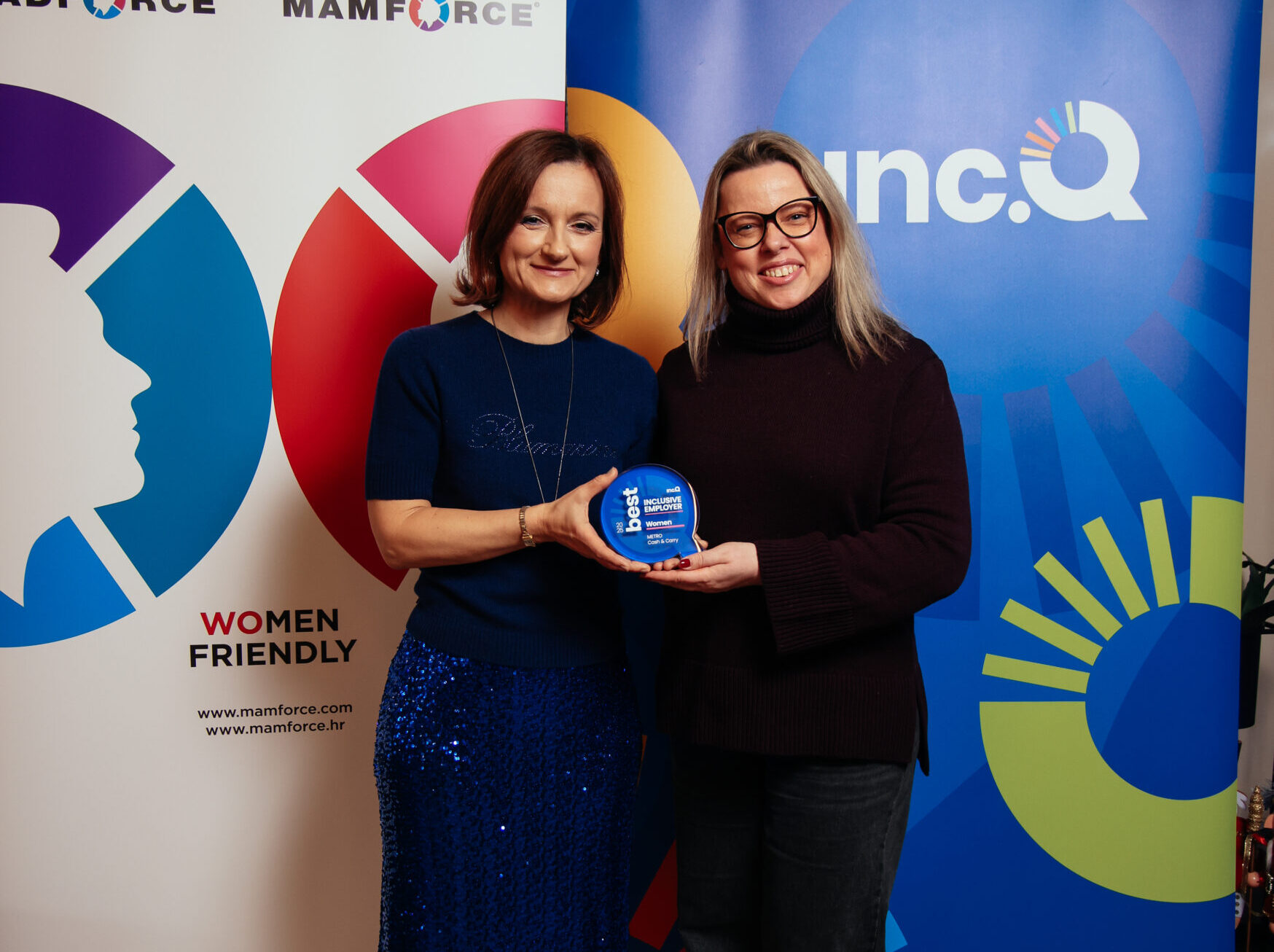
Diana Kobas Dešković (Spona Code) and Ana Josipović (METRO Cash & Carry)
We do not measure the success of integration through a single indicator, but rather through a combination of different factors. Employee satisfaction surveys provide valuable insight into how accepted and connected employees feel within the organisation. In addition, we monitor employee retention, engagement levels, and employees’ willingness to take on responsibility. Team dynamics also serve as an important indicator of how effectively teams collaborate, how naturally people communicate, and how smoothly day-to-day work functions.
Another positive sign is when employees begin sharing their experiences and recommending METRO to others. Ultimately, the clearest indicator is whether people choose to stay and continue developing their careers within METRO. That is a strong sign that they feel comfortable, valued, and that they have found their place within the organisation.
At METRO, they believe that successful integration depends not only on rules and procedures, but on people and the everyday relationships within teams. Clear communication, access to information, support from colleagues and a sense of belonging are key to helping employees settle in faster and do their jobs well.
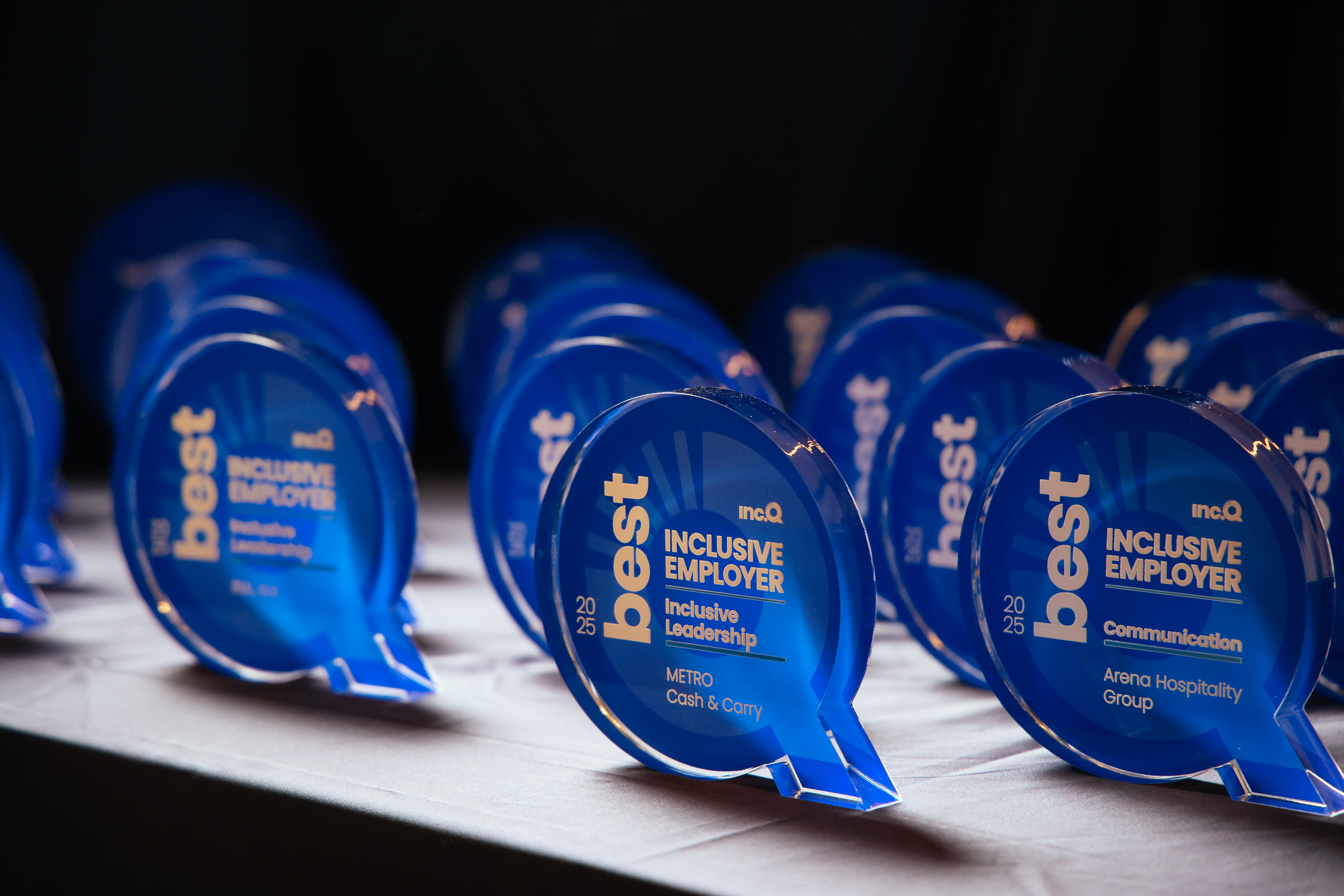
In recognition of its inclusive practices, METRO Croatia last year received the IncQ BEST Inclusive Employer Award in as many as five categories: Best Large Company for Diversity and Inclusion, Best Large Company for Professionals, Best Large Company for Women, Best Wholesale Company for Inclusive Leadership, and Best Wholesale Company for Inclusive HR.

Ana Josipović and Sara Kralj (METRO Cash & Carry)
An open and objective approach turns integration into an integral part of organisational culture, one in which employees are not expected to manage on their own, but are given the support they need to work correctly and independently.
Fill in the form and our team will get back to you with the next steps.


